Core Puzzle Design
Hidden Chamber Logic Challenge presents a series of interconnected rooms within a hand-drawn house. Each area contains a self-contained puzzle that must be solved to progress. The game focuses on observation and logical deduction rather than speed or reflexes. Players examine objects, notice patterns, and combine clues to unlock new spaces. The puzzles are designed to be completed in short bursts, making the game suitable for players who prefer focused, distraction-free sessions.
Visual Style and Atmosphere
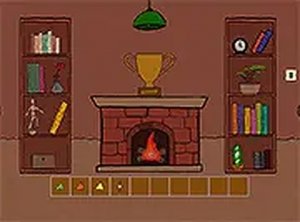
The hand-drawn art style gives the game a warm, inviting look that sets it apart from more realistic escape room titles. Soft colors and detailed illustrations create a curious, slightly mysterious mood without being frightening. The visual design helps players feel immersed in the environment while keeping the interface clear and easy to navigate. Each room has its own distinct look, which helps players remember where they have been and what they have seen.
Interaction and Controls
Players interact with the game by clicking or tapping on objects in the environment. The controls are straightforward, allowing anyone to pick up the game quickly. Objects can be examined, collected, and sometimes combined with other items to create new tools. The game provides subtle visual cues when something can be interacted with, reducing guesswork. This design makes the experience accessible to both new and experienced puzzle fans.
Progression and Difficulty
The game is structured around finding five colored triangles and a key to escape the house. Each room presents a small challenge that must be solved before moving on. The difficulty ramps up gradually, with early puzzles teaching basic mechanics and later ones requiring more creative thinking. There is no time limit, so players can take their time to think through each problem. This respectful pacing makes the game ideal for relaxing, thoughtful play.




Comments
0 comments