Cryptograph: Word Puzzle Game
Reviews
Cryptograph offers a polished take on classic cryptograms. The puzzles are well-paced, with difficulty increasing naturally as you progress. The hint system prevents frustration without spoiling the challenge. Decoding each quote feels satisfying, and the positive messages add a nice touch. It is a great game for daily practice or winding down.
About This Game
Game Introduction
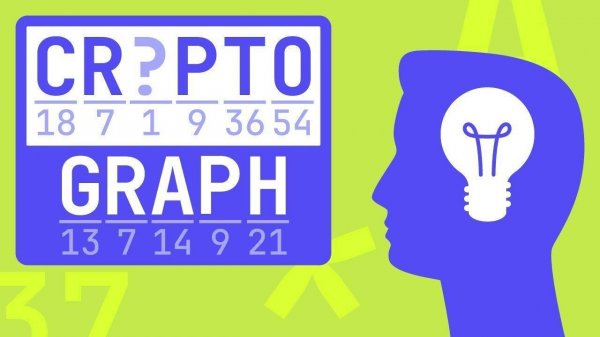
Cryptograph: Word Puzzle Game is a casual puzzle experience that challenges players to decode hidden messages. Each level presents an inspiring quote or piece of wisdom, but its letters are replaced by a numerical code. Your goal is to solve the code by matching each number to the correct letter, revealing the uplifting message beneath. This game combines logical deduction with the joy of discovery, offering a relaxing yet mentally stimulating activity suitable for all ages.
How to Play
Playing Cryptograph is straightforward. You are shown a series of numbers that represent an encoded quote. Each unique number corresponds to a specific letter of the alphabet. Begin by making educated guesses based on common word patterns—for example, single-digit numbers often represent short words like 'A' or 'I'. As you assign letters correctly, the puzzle updates across the entire phrase. If you get stuck, a built-in hint system provides assistance without revealing the full answer. Progress through levels sequentially, with each solved puzzle unlocking the next challenge.
Game Features
Cryptograph offers a clean, intuitive interface that lets you focus on the puzzles. It includes a collection of positive and family-friendly quotes to decode. The game uses a simple number-to-letter mechanic that is easy to learn but provides satisfying depth. Sequential level progression ensures a steady increase in difficulty, keeping the experience engaging. A helpful hint system is available for when you need a gentle nudge. All content is designed to be wholesome and suitable for players of all ages.
Tips for Success
Start by identifying common short words like 'A' or 'I' to build a foundation. Look for repeated number patterns that may represent frequent letters such as 'E' or 'T'. Use the hint system sparingly to maintain the challenge. Practice regularly to improve your pattern recognition and deduction skills. Take your time—each puzzle is meant to be a relaxing mental exercise, not a race.